
 English
 Español
 Português
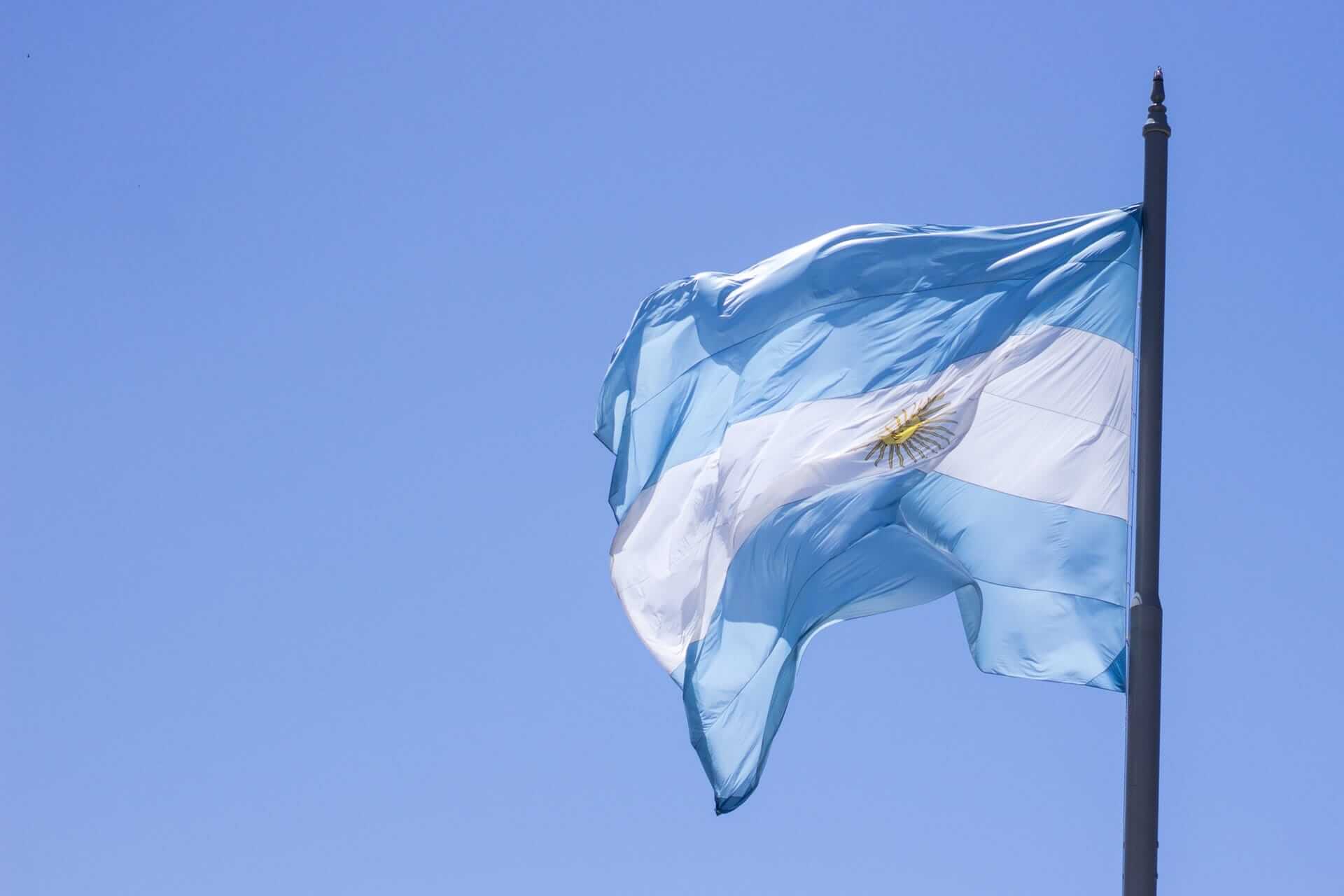
On the 9th of July, we celebrate the declaration of independence in Argentina. A big day, and no, we’re not talking about just fireworks and barbecues.
On July 9, 1816, the Congress of Tucumán officially declared the independence of the United Provinces of South America from the Spanish Crown. A bold move in a politically fragmented time. Don’t be fooled by the name though. The United Provinces of South America didn’t represent all of present-day Argentina. There were tensions between regions, especially with the Federal League, a political group that covered more of the Litoral and northern provinces like Entre Ríos, Corrientes, and the Banda Oriental (now Uruguay).
| My Quick Recommendations for your travel to Buenos Aires!👇 🏡 Find the Best and Most Affordable Stays in Buenos Aires here! 🚗 Rental Car: The top Argentina & Budget companies are listed on this page. 📱 Connect: Stay connected, and get a 5% automatic discount, with the Argentina eSim! 💃 The Best tango show ticket prices available in Buenos Aires. |

Read also: best 25 things to do in Buenos Aires
Curious about the background of Argentina?
Then I recommend reading “Breve Historia de los Argentinos” by Félix Luna. He has a unique way of writing – honest, engaging, and easy to read. He pulls you through Argentina’s ups and downs, and there are plenty.

Did you even know that Argentina was almost a kingdom?
After the break from Spain, there was no clear idea of what kind of country Argentina should become. During the Congress of Tucumán, some members wanted to restore the Inca monarchy and even suggested moving the capital to Cuzco. Yes, seriously. The plan didn’t survive the political storm. Eventually, the Congress moved to Buenos Aires, and the idea was buried.
But Buenos Aires wasn’t done dreaming. In 1819, the Congress wrote a constitution without naming a form of government. Many elites still had European aspirations. They flirted with the idea of inviting a European prince to found a Kingdom of Argentina.
In the decades after independence, Argentina saw deep conflicts between unitarios (centralists) and federales (federalists). It took until 1853 for a new constitution to be adopted — except Buenos Aires, of course, which didn’t join until 1860.

What’s happening on July 9 in Buenos Aires today?
Let’s fast-forward. You’re in Buenos Aires on July 9 and wondering what to do? Don’t expect huge street parties like in some countries, but the day has its charm and a few surprises.
1. Empty streets = perfect photos
Buenos Aires becomes eerily quiet. Locals stay home with family, restaurants open later or not at all. So take your camera and go for a walk. One of the best spots is the intersection of Avenida 9 de Julio and Diagonal Norte. On a sunny winter day, the view of the Obelisco is unbeatable.
2. Parade on Avenida del Libertador
There’s a traditional military parade in the early afternoon. Around 12 o’clock, military bands and regiments march down Avenida del Libertador near Parque 3 de Febrero. Best viewing spots? Between Dorrego and Salguero. Arrive early for a good view, especially if it’s sunny. The parade is organized by the Ministry of Defense and often includes vintage vehicles, soldiers in historic uniforms, and some horses too.
3. Eat like a local
Today it’s all about comfort food and traditions.
-
Asado: Of course. If someone invites you, cancel your other plans.
-
Empanadas: Especially the ones from Tucumán — this day is their pride.
-
Locro: A hearty corn and meat stew. Thick, warm, perfect for winter. You’ll find it in traditional restaurants like El Sanjuanino or Peña La Vieja Estación.
-
Pastelitos: These little fried pastries filled with quince or sweet potato are a holiday classic.
-
Churros with hot chocolate: If you’re walking in San Telmo or Recoleta in the morning or late afternoon, stop at a café. Try La Giralda or La Puerto Rico.
Looking for restaurants in Buenos Aires? Check out the list of my restaurant selection.
4. Visit Parque 3 de Febrero
It’s the perfect moment to go. The Rose Garden (El Rosedal) is quiet and still beautiful even in winter. You’ll see locals walking, jogging, or enjoying mate with friends. You’ll feel the city breathe slower today.
5. Ride the hop-on hop-off bus
Yes, that double-decker tourist bus. On busy days it can be packed and stuck in traffic. But on public holidays, it rolls smooth through the empty avenues. Grab a seat on the upper deck, dress warm, and enjoy the city’s architecture without the chaos.
Check if it runs via their website or app. Holidays sometimes change the schedule.
You can book tickets for the Hop-on Hop-off Bus here.
6. Explore Palermo Soho on foot
Shops might not all be open, but walking around this artsy neighborhood with calm streets is a pleasure. Look for murals, small cafés that stay open, and design shops that take advantage of the holiday for quiet sales.
7. Museums? Some yes, some no
It’s hard to say which museums open on July 9. There’s no consistent rule. I recommend you search the museum by name on Google and check the holiday hours if they updated it. For example:
-
MALBA usually opens
-
Museo Histórico Nacional often has special events
-
Casa Rosada Museum may be closed
Here are the best museums to visit in Buenos Aires
8. Independence celebrations on Plaza San Martín or at the Catedral Metropolitana
Sometimes in the morning of July 9, there’s a short official ceremony held by the government and the military. It could be at Plaza San Martín or near the Catedral Metropolitana, where Argentina’s founding father José de San Martín is buried. There’s usually a wreath placed at his tomb.
Final tip: Want to go deeper into Argentina’s independence story?
Visit the Museo del Cabildo de Buenos Aires. Right next to the Pink House, it’s the former colonial city hall and played a key role in the May Revolution of 1810. The museum offers insight into how independence slowly took shape, and why 1816 was just the beginning of a long journey.
Argentina’s independence wasn’t just a simple break from Spain. It was a messy, political, and fascinating process that shaped the identity of the country. And July 9 in Buenos Aires gives you a calm yet meaningful way to discover it.
Enjoy the city with its slow pace and national pride. And don’t forget to try that pastelito.
Fixed price per vehicle · Free cancellation up to 24 h


