I’ve lost count of how many rideshares I’ve taken across Buenos Aires. From standard airport runs to navigating the cobblestone streets of San Telmo at 2:00 AM in a torrential downpour, I’ve tested every app, car tier, and payment method available.
While ordering a car here is incredibly easy, Buenos Aires has unique local quirks, evolving transit laws, and hidden baggage challenges that can catch travelers off guard. Based on dozens of firsthand trips, here is everything I wish I had known before my first ride.
| My Quick Recommendations for your travel to Buenos Aires!👇 🏡 Find the Best and Most Affordable Stays in Buenos Aires here! 🚗 Rental Car: The top Argentina & Budget companies are listed on this page. 📱 Connect: Stay connected, and get a 5% automatic discount, with the Argentina eSim! 💃 The Best tango show ticket prices available in Buenos Aires. |
The Short Version: Which App Wins?
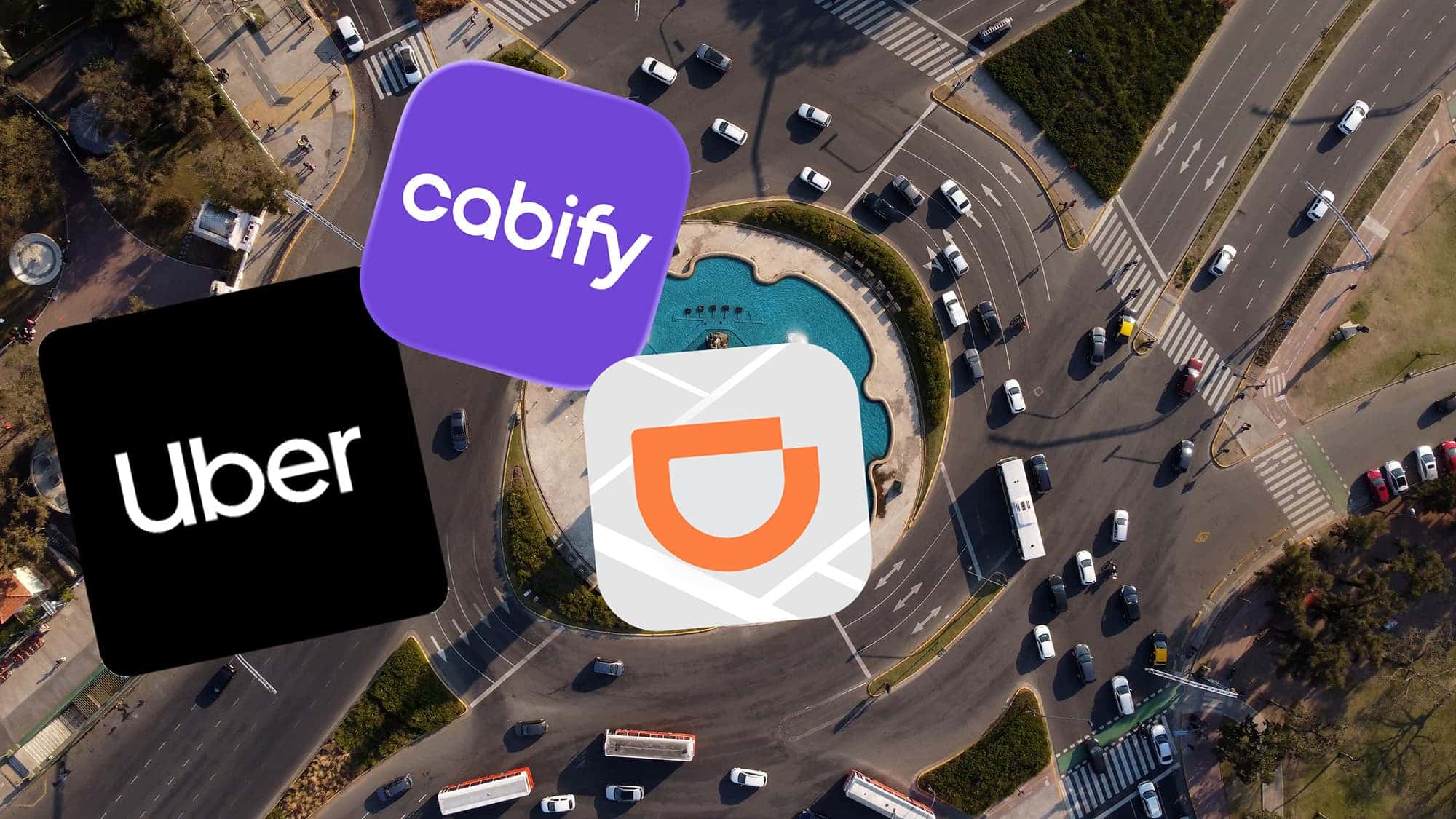
Ridesharing is highly reliable and generally safer than hailing random street taxis in the capital. Both Uber and Cabify operate smoothly here and extend into major Patagonian hubs like El Calafate and Ushuaia.
| App | Best For | Local Impression |
|---|---|---|
| Uber | Highest vehicle availability & premium car options | Fast, universally recognized, offers “Uber Taxi” integrations. |
| Cabify | Upfront corporate compliance & consistency | Highly regulated local favorite; great corporate standard. |
| DiDi | Budget-conscious travelers & alternative availability | Massive local footprint; often features aggressive discounts. |
Uber vs. Cabify: Choosing the Right Car Category
Don’t just blindly book the cheapest tier. The app layout in Buenos Aires looks a bit different than what you might be used to at home.
Uber Categories in Buenos Aires:
- UberX / Priority: The budget tier.
- Comfort: Slightly newer, larger vehicles with highly rated drivers.
- Bags: Specifically guarantees trunk space for luggage.
- Black: Primarily restricted to airports (Ezeiza and Aeroparque); rarely available for casual city hops.
Cabify Categories:
- Normal: Standard compact or sedan.
- With Pets (Mascotas): Pet-friendly transit.
- Bags: Vehicles optimized for extra luggage.

Pro-Tip: Why I Always Book “Comfort” on Uber
Pay the extra $2 to $4 USD and upgrade to Comfort. In the budget UberX tier, it’s common to encounter heavily worn vehicles with broken seatbelts or missing mirrors. Upgrading to Comfort guarantees a clean, well-maintained vehicle roughly 99% of the time. The only trade-off is a slightly longer wait time during peak hours.
The GNC Trunk Space Issue (The Luggage Trap)
Here is a critical detail most travel blogs miss: a vast majority of rideshare cars and traditional taxis in Argentina run on GNC (Gas Natural Comprimido).
Because GNC requires a massive physical gas cylinder permanently installed inside the trunk, your luggage capacity is effectively cut in half. A standard sedan can typically handle one large checked bag and a small carry-on—that’s it. If you are a party of two traveling with full-sized suitcases, do not risk standard tiers. Always select the “Bags” option on Uber or Cabify to ensure a vehicle capable of carrying your gear without a stressful sidewalk Tetris session.
Airport Logistics: Exact Pickup Spots at EZE and AEP
Navigating airport pickups in Buenos Aires used to mean playing a stressful game of hide-and-seek with your driver in a distant parking lot. Both major airports utilize official, clearly signposted rideshare pickup zones.
1. Ezeiza International Airport (EZE)
Ezeiza routes all app-based pickups to a dedicated median lane directly outside International Arrivals (Terminal A).
How to get there: After clearing customs and entering the main arrivals hall, turn right and exit through the glass doors.
The Meeting Point: Walk past the immediate taxi lane and cross over to the first concrete median/island (dársena). Look for the vertical signs featuring the Uber, Cabify, and DiDi logos.
Pro-Tip: Pay close attention to the specific lettered posts (such as Cartel H or Cartel I). Your driver will message you or the app will specify exactly which sign to stand under. Cabify and Uber are split into slightly different positions along this island to keep traffic moving.
2. Aeroparque Jorge Newbery (AEP)
Aeroparque handles an immense volume of domestic traffic, meaning the pickup lanes move incredibly fast.
How to get there: Once you collect your bags, follow the illuminated overhead signs specifically marked for rideshare apps/VTC (Vehículo de Transporte con Conductor). Exit the main building toward the waterfront avenue (Costanera).
The Meeting Point: Cross the first immediate lane to the pedestrian traffic islands. The airport has clearly designated zones painted and signposted on the pavement for each specific app.
Pro-Tip: Uber pickups are clustered on the main island, while Cabify has its own designated zone located further down the lane to prevent gridlock. Check your app screen carefully as soon as your driver matches; it will show you a color-coded zone or letter indicating exactly where your car is permitted to stop.
⚠️ Airport Safety Warning: Both airports are heavily monitored. If a driver messages you asking you to leave the designated app lanes to meet them secretly in a general parking lot or a restricted drop-off area, cancel the ride. Official app vehicles are required by airport security to use these dedicated lanes.

Payment Realities: Cards, Cash, and the MEP Rate
A common myth is that Buenos Aires rideshares are card-only. In reality, cash (Efectivo) is widely accepted and frequently used by locals. However, as an international traveler, using a credit card is incredibly advantageous.
- Foreign Cards Work Seamlessly: You can link your home credit or debit card. Your app will display prices in Argentine Pesos (ARS), but your bank will process the transaction.
- The Tourist/MEP Rate Advantage: When paying with a foreign Visa or Mastercard, your bank will automatically convert the ARS amount using the favorable MEP exchange rate (Tourist Rate), saving you significant money compared to the official government rate.
- Tolls Are Automatic: If you are taking the highway from Ezeiza Airport into the city center, any toll fees are automatically tracked by the app and added to your digital final receipt. No cash is needed for toll booths.

Safety & Local Regulations
Is Uber safe in Buenos Aires? Yes, it is remarkably safe, provided you follow standard transit discipline. Buenos Aires regulations require all rideshare drivers to hold professional licenses, clear routine vehicle inspections (VTV), and carry specific passenger liability insurance.
Your 5-Second Safety Checklist:
- Verify the License Plate: Always match the last letters and digits displayed in the app with the physical plate before stepping inside. If it doesn’t match, cancel the ride.
- Confirm Names: Drivers will almost always ask for your name before unlocking the doors.
- In-App Routing: Everything stays within the app ecosystem. Drivers do not attempt off-app cash negotiations or fare haggling.
- Audio Monitoring: Don’t be alarmed if the app notes the ride is being recorded; audio-safety logging is a standard security feature used widely by local drivers.
Surge Pricing & The Local Experience
Navigating the Elements
Surge pricing hits fast and hard in Buenos Aires. Because locals rely heavily on these platforms, a sudden rainstorm or 6:00 PM rush hour can easily double or triple the standard fare. If you require absolute predictability during extreme weather or tight flight connections, booking a private, fixed-price airport transfer service is a safer logistical alternative.
Don’t Fear the Taxi Look
Don’t be confused if a classic black-and-yellow Buenos Aires city taxi pulls up when you order an Uber or DiDi. Local taxi drivers heavily utilize these platforms to fill gaps in their day. The app will notify you if your driver is in a registered taxi.
Local Etiquette Rules of Thumb
- Sit in the Back: Sitting in the front seat is universally viewed as unusual for rideshares in Buenos Aires. Slide into the back.
- Language Barriers: Assume your driver speaks only Spanish. Keep a translation app handy or master basic directional phrases (“derecha” for right, “izquierda” for left, “acá está bien” for here is fine).
- Tipping Culture: Tipping is not mandatory or expected by drivers, though leaving a modest 10% gratuity via the app for excellent service or help with heavy luggage is highly appreciated.
Frequently Asked Questions
Is Uber legal in Buenos Aires?
Yes. Following years of gray-area operations, rideshare platforms are fully recognized and governed by local CABA transportation laws, requiring drivers to possess professional driver’s licenses and dedicated passenger insurance.
What is the best app to use at night?
Both Uber and Cabify are highly secure for late-night transit. Cabify is often favored by solo travelers for its stringent corporate driver screening process, while Uber offers faster pickup times at 2:00 AM due to its massive driver pool.
Can I use Uber if I don’t speak Spanish?
Absolutely. Because the destination is pinned digitally within the app, minimal verbal communication is required.
Why is my trunk space restricted?
Most rideshare cars in Argentina run on Compressed Natural Gas (GNC) to offset fuel costs. The storage tank sits directly in the trunk, severely reducing luggage capacity. Book a “Bags” tier if traveling heavy.