
 English
 Español
 Português
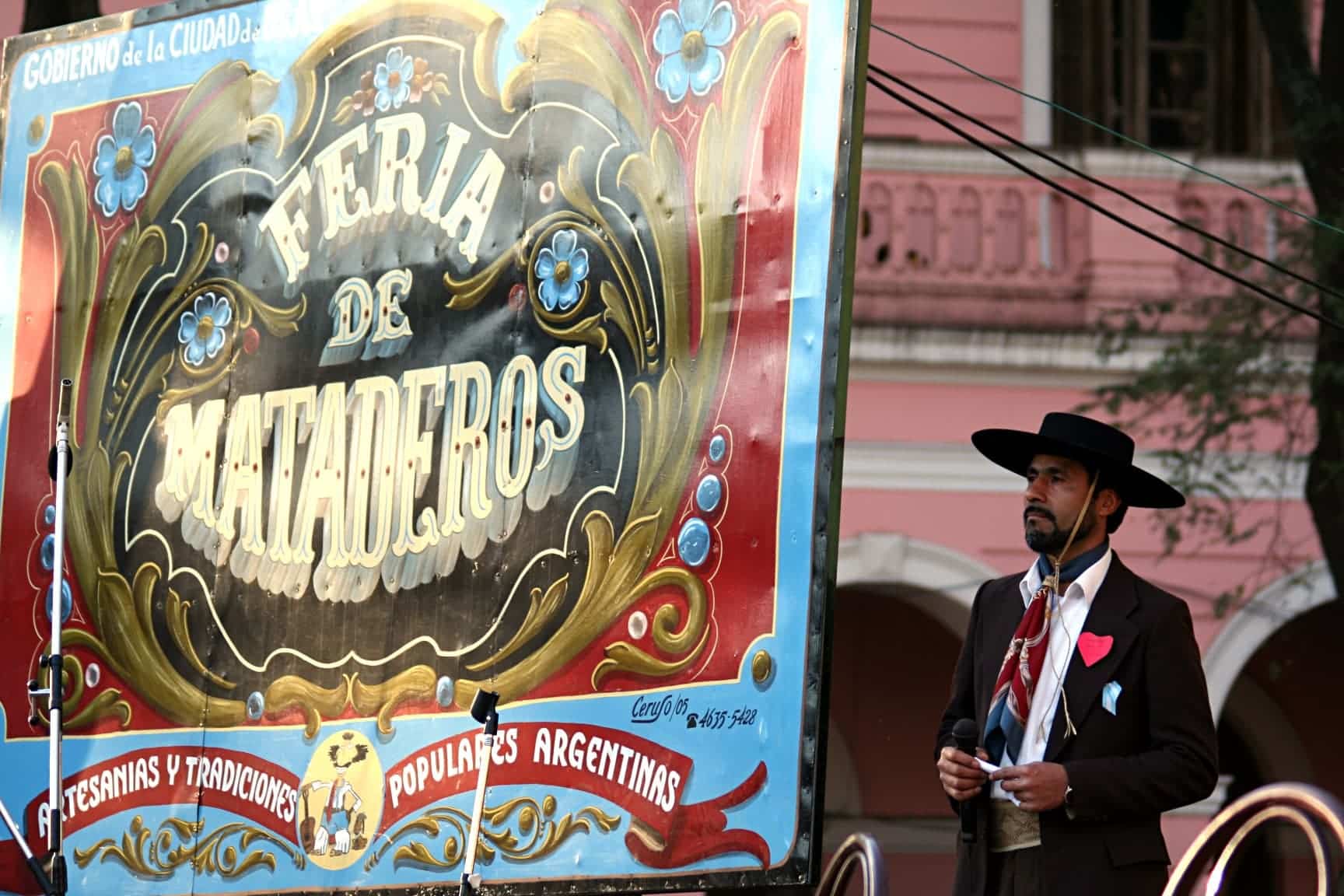
The Feria de Mataderos is one of the most authentic cultural experiences in Buenos Aires. Every Sunday, locals gather in this historic neighborhood to celebrate gaucho traditions, folk music, regional foods, and artisanal crafts. For visitors, it’s a colorful, lively, and real slice of Argentine life. In this article, I explainto you how to visit the Feria de Mataderos, where it is located and when.
| My Quick Recommendations for your travel to Buenos Aires!👇 🏡 Find the Best and Most Affordable Stays in Buenos Aires here! 🚗 Rental Car: The top Argentina & Budget companies are listed on this page. 📱 Connect: Stay connected, and get a 5% automatic discount, with the Argentina eSim! 💃 The Best tango show ticket prices available in Buenos Aires. |
The History of the Feria de Mataderos
The Feria de Mataderos, officially called Feria de las Artesanías y Tradiciones Populares Argentinas, has been around for more than 30 years. It was born in front of the old Mercado Nacional de Hacienda, the huge cattle market where over a million heads of cattle passed through each year. For over a century, this was one of the beating hearts of Argentina’s meat industry and even earned comparisons with the stockyards in Chicago. The area was known as Nueva Chicago, which even inspired the local football club’s name.
When the market finally closed in 2022 and moved to Cañuelas, the fair carried on. Today, over 300 stalls fill the area with ponchos, silver knives, mates, woven blankets, leather goods, and regional treats from across the provinces. The city has even declared it a Cultural Heritage Site. It’s not just a market, it’s a living museum of Argentina’s countryside culture.

Feria de Mataderos: Location and How to Get There
The Feria de Mataderos is held in the Mataderos neighborhood, on the western edge of Buenos Aires. It feels far from the city center, but it’s actually pretty easy to reach. If you’re near Plaza de Mayo or San Telmo, hop on bus 126 and you’ll get there in about an hour. If you’re staying in Palermo, then bus 55 is your best choice. Of course, if you don’t feel like a long ride, a taxi from downtown will take only about 30 minutes. I have a guide about how to use the public transport or taxis in Buenos Aires.
Because of that distance, the Feria de Mataderos is still very much a local scene. Unlike the San Telmo Market, which is full of tourists and antique stalls, Mataderos attracts mostly Argentines. You’ll see families spending Sunday together, dancing, eating, and shopping. It feels like being part of the city, not just visiting it.

When to Visit the Feria de Mataderos
The fair takes place on Sundays from March to December. Things kick off around 11:00 in the morning and go until the sun sets around 19:00. If you want to beat the lines at the food stalls, get there before lunch. But if you want the full vibe with music and dancing, the afternoon is the best moment. Note that the Feria is cancelled if there is heavy rain.
Curious what the best time is to visit Buenos Aires and how many days to visit the city? Check out my guide on the best season and how many days to spend in the capital.
What’s even more special are the national holiday editions. On days like May 25, June 20, July 9, and August 17, the Feria de Mataderos puts on bigger shows, more food stalls, and special folklore performances. These dates are deeply tied to Argentina’s history, so the atmosphere feels extra festive and patriotic. If your visit matches one of these holidays, don’t miss it.
Gaucho Traditions and Pampas Culture
The Feria de Mataderos is all about gaucho traditions. Gauchos are Argentina’s version of cowboys, born in the Pampas. The Pampas are huge fertile plains, perfect for cattle, and gauchos became skilled horsemen and herders in this landscape. They are a national symbol of freedom, toughness, and connection with the land.
At the fair you’ll see this spirit come alive. Folk groups play chacarera and zamba while dancers in traditional clothes perform on the main stage. Some Sundays, gaucho horsemen show off their skills in the carrera de sortija. Picture them galloping at full speed, trying to spear a tiny ring with a lance – it’s impressive and thrilling. These traditions aren’t just shows for visitors. They’re part of Argentina’s living heritage, something locals are proud to pass down to new generations.
The gaucho culture also lives through the crafts. The silver knives – facones – on sale are part of the gaucho’s traditional dress. Ponchos and leather goods reflect the life on the Pampas, where gauchos needed warmth, durability, and practicality. Even the music you hear is inspired by life on the open plains.
If you want to spend the day in an “Estancia” – the old gaucho pampa’s farms, you should check the daytrips here, which I recommend.
What to Eat at the Feria de Mataderos
Let’s be honest: one of the best reasons to go is the food. This is your chance to taste real regional dishes you don’t always find in the city center.
- Locro: a rich stew of corn, beans, squash, and meat. It’s Argentina’s comfort food, especially on national holidays, but you’ll find it here every Sunday.
- Empanadas: you’ll see empanadas in different styles. Try a spicy beef empanada from the north or a cheese and onion one from Córdoba.
- Parrilla: several outdoor grills cook up meat on the spot. If it looks good and smells good – go for it! For more about parrillas, check out my article on the best parrilla in Buenos Aires.
- Pastelitos and tortas fritas: sweet fried treats that go perfectly with a mate or coffee while you stroll around.
Eating here is not just about filling your stomach. It’s about tasting Argentina’s diversity on a single street. The smells of grilled meat, the sound of sizzling oil for tortas fritas, and the sight of steaming bowls of locro are part of the whole experience.
Don’t want to miss out on what foods to try in Buenos Aires? I listed my favourite Buenos Aires foods in one list and the locations where to get the best and most tasty.

Feria de Mataderos vs San Telmo Market
If you’ve been to the San Telmo Market, you know it’s all about antiques, vintage finds, and handcrafted goods. The Feria de Mataderos, though, is focused on Argentina’s countryside traditions. Here you’ll find ponchos, knives, mates, and rustic food instead of old furniture and artwork. San Telmo shows the bohemian city vibe. Mataderos shows the rural heart of Argentina. Both are worth it, but for authenticity and gaucho flair, Mataderos wins.
The Neighborhood of Mataderos
The neighborhood itself adds charm to the whole experience. Walking through the streets, you’ll notice colorful murals celebrating gaucho traditions, tango, and the local identity. These works of art tell stories of the workers, the cattle market, and the pride of Nueva Chicago.
There’s also the Museo de los Corrales, located near the fair, which showcases the history of the livestock market and the role it played in Argentina’s economy. The area was once one of the most modern cattle markets in the world, with concrete floors, steel-roofed corrals, and even aerial walkways. Walking around, you still feel the weight of that history.
Mataderos isn’t a touristic neighborhood, and that’s exactly why it’s worth visiting. You see Buenos Aires in its everyday form – families, kids dancing folklore, people queuing for empanadas, and proud locals sharing their culture. It feels real, raw, and absolutely Argentine.

Extra Tips for Visiting
- Cash is king: many of the stalls don’t accept cards, so bring pesos in small bills.
- Go hungry: the food is such an important part of the experience that skipping it would be a shame.
- Dress comfortably: it’s a street fair, so expect to walk, stand, and move through crowds.
- Check the calendar: as mentioned earlier, if your visit falls on a national holiday like May 25 or July 9, the fair will be even more spectacular.
- Combine with a mural walk: if you enjoy street art, take some time to wander the side streets to see Mataderos’ colorful murals.
Why the Feria de Mataderos Matters
The Feria de Mataderos isn’t just another Sunday market. It’s a cultural statement. It connects Buenos Aires – a modern, cosmopolitan city – with the rural roots that shaped Argentina. It’s where the gaucho, the Pampas, and national traditions find a place in urban life. And while many tourists don’t make it here because of the distance, that’s exactly what keeps it so authentic. You’ll be surrounded by locals, not crowds of tour groups.
In a city famous for tango and nightlife, the Feria de Mataderos offers a different angle. It shows Argentina’s countryside soul, its flavors, and its folk traditions. It’s a reminder that the country is more than its capital – it’s also about vast plains, strong traditions, and a way of life kept alive every Sunday in Mataderos.
Fixed price per vehicle · Free cancellation up to 24 h


